
I Am, I Can, I Will - Part One
By: Susanna Hindman, Middle School and Admissions Assistant
Part 8: Foundational Stones of Cambridge
In the adventurous tale of The Green Ember, communities of rabbits come together to fight for the good of family and place. Amidst the pain of loss, threat of danger, and uncertainty of the future, a moving scene unfolds as the author describes a “calling ceremony” for his readers. Tucked away in a protected glen, older rabbits name younger rabbits as participants in their life’s work. Identifying a young rabbit’s interest and ability in a particular trade, the mature and experienced ones invite them to learn alongside them. In this ceremony, Mrs. Halmond shares encouraging words about her young friend Gloria’s capacity and gifting and then “a solemn silence” follows, and the ceremony begins.
“Mrs. Halmond took a step forward and placed her right fist over her heart. ‘I accept you,’ she said clearly, with solemn joy.
‘I am accepted’, Gloria said, attempting to mime Mrs. Halmond’s tone.
‘I bind you, and with all honor, to release you better still.’
‘I am bound,’ Gloria said, ‘by honor and fealty, to serve you.’
They bowed to each other, and . . . [then] began the applause that soon enough sounded like a thunderstorm in the great hall. Gloria and Mrs. Halmond embraced, and there were cheers and well-wishes called as they left the hall, heading for the gardens on the village green.”
So much of what we do flows out of what we believe about ourselves. The challenges we tackle, the risks we take, and the way we carry ourselves all begin with the ideas we believe and the narratives we listen to. Charlotte Mason summed this up well with the phrase “I am, I ought, I can, I will.” Actions begin with belief. Words begin with ideas. Courage stems from what we believe to be true about ourselves, the world we live in, the possibilities it holds, and our capability to face the challenges ahead. Fundamentally, Cambridge views children as born persons, made in the image of God, equipped with innate curiosity, wonder, personhood, and ideas. They aren’t empty vessels to be filled but people to guide and support as they make connections with their environment and community through learning and relationship.
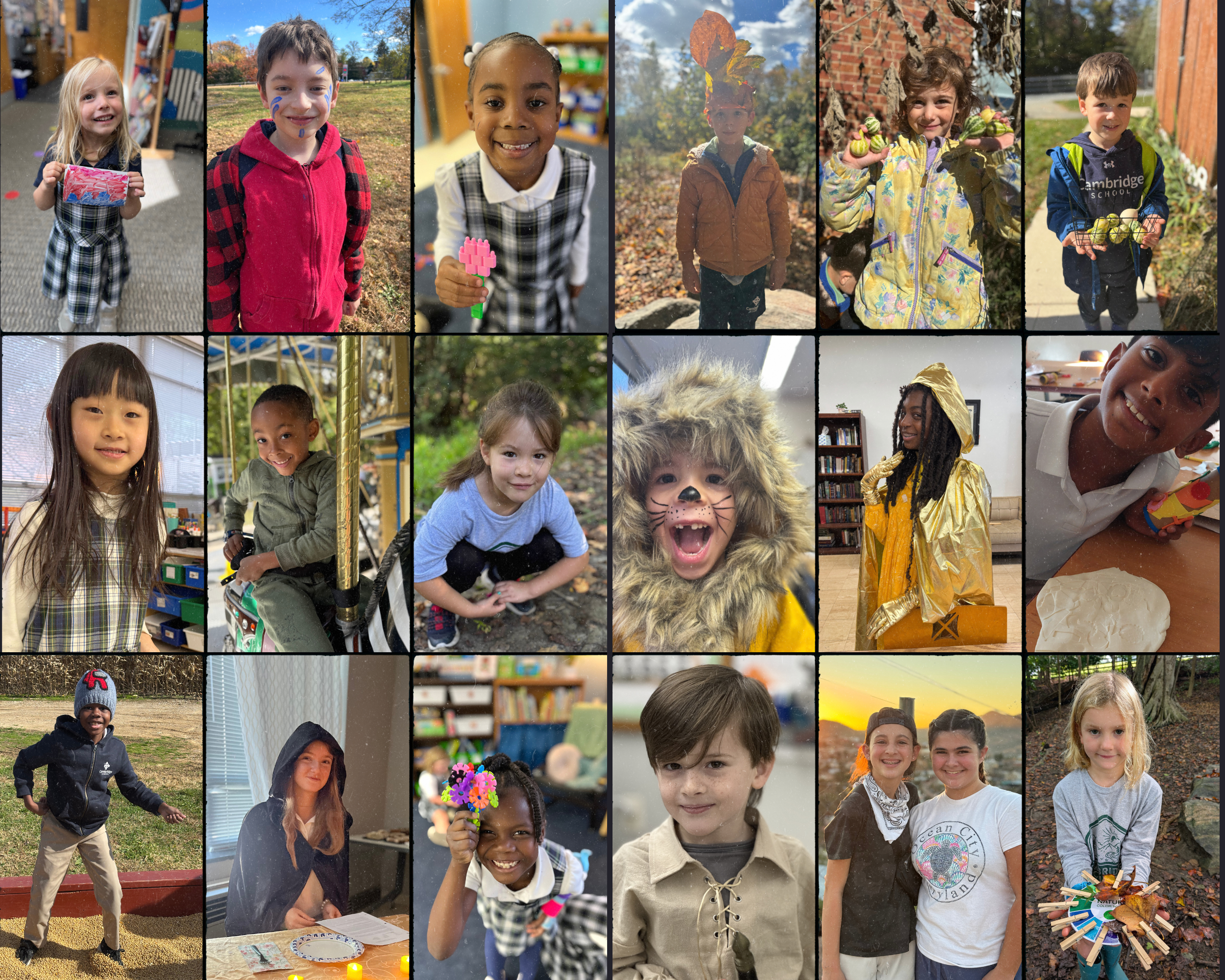
Followers of Mason expand on her idea, stating that “I am a child of God, I ought to do His will, I can do what He tells me, and by His grace I will.” Doing flows from being. Establishing for our children the reality of their identity as image bearers gives them that steady, unchanging, timeless marker of who they are. To be made in the image of God means they are like Him in character, a character that motivates them to act in the world as His ambassadors to bring flourishing, cultivate community, and tend the earth. The “being” is not simply a naming of who we are but also a function of our relationship with the One we have been named by. “I am a child of God.” We are named, and we are known and accepted.
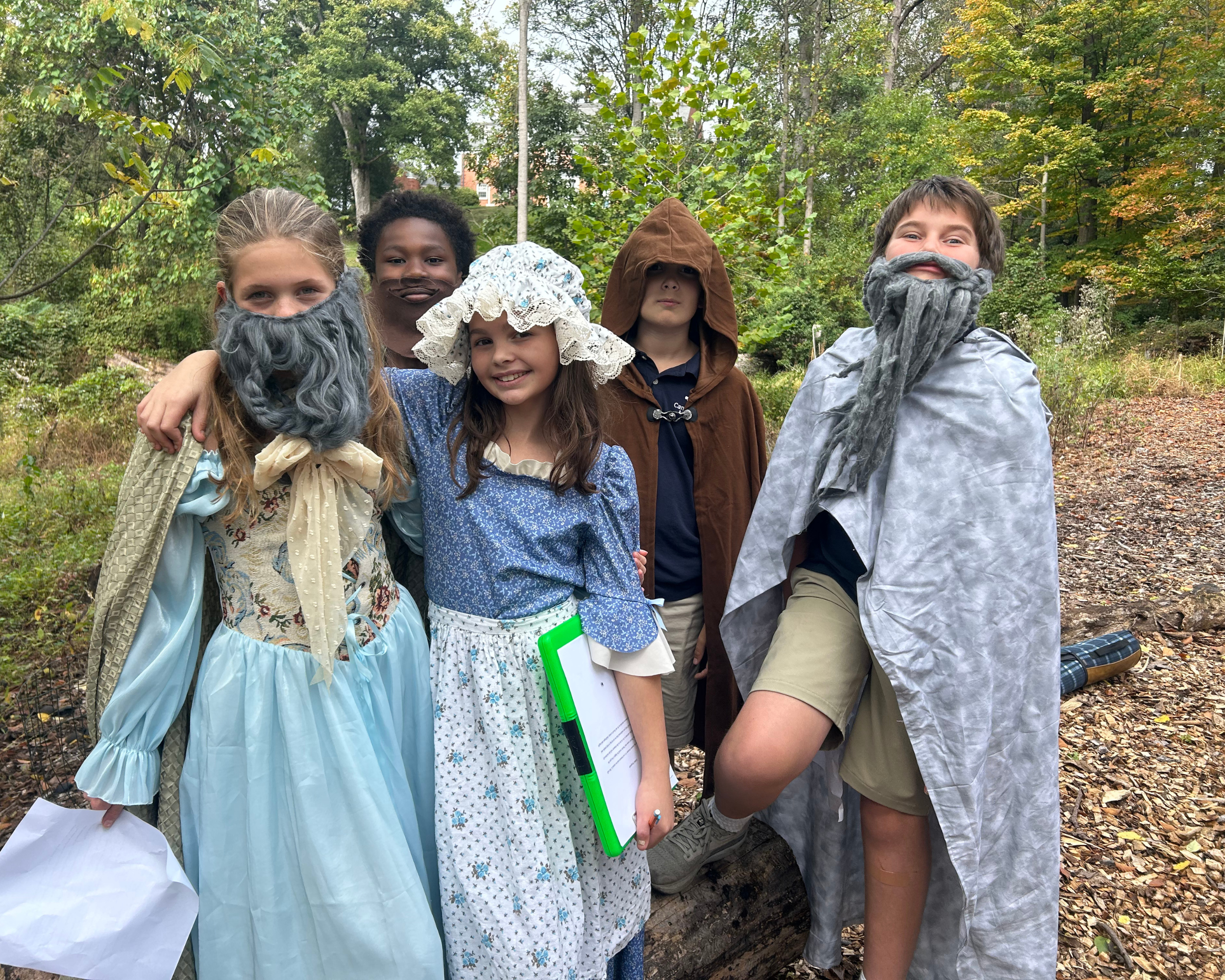
This acceptance isn’t merit based or dependent on outcomes or achievements but is wholly given before one even has a chance to attempt to earn it. It is our privilege as teachers to introduce children to who they already are on their way to becoming the skilled adults they are designed to be. Western society pushes productivity on humans as early as possible, valuing a society that maximizes gains and output. Society says “you will, because you can, because you should, because that’s what makes you valuable.” The story is told backwards, leaving children and adults alike with the deeply held belief that their doing is what determines their purpose and gives them meaning. At Cambridge, the narrative begins with creation, reminding teachers and students that they are made in the image of God, valued, known, loved, just as they are, before they’ve accomplished a single task or mastered the simplest of skills. I am.
I am a child of God, I can do what He tells me, and by His grace I will.