I Am, I Can, I Will - Part Two
By: Susanna Hindman, Middle School and Admissions Assistant
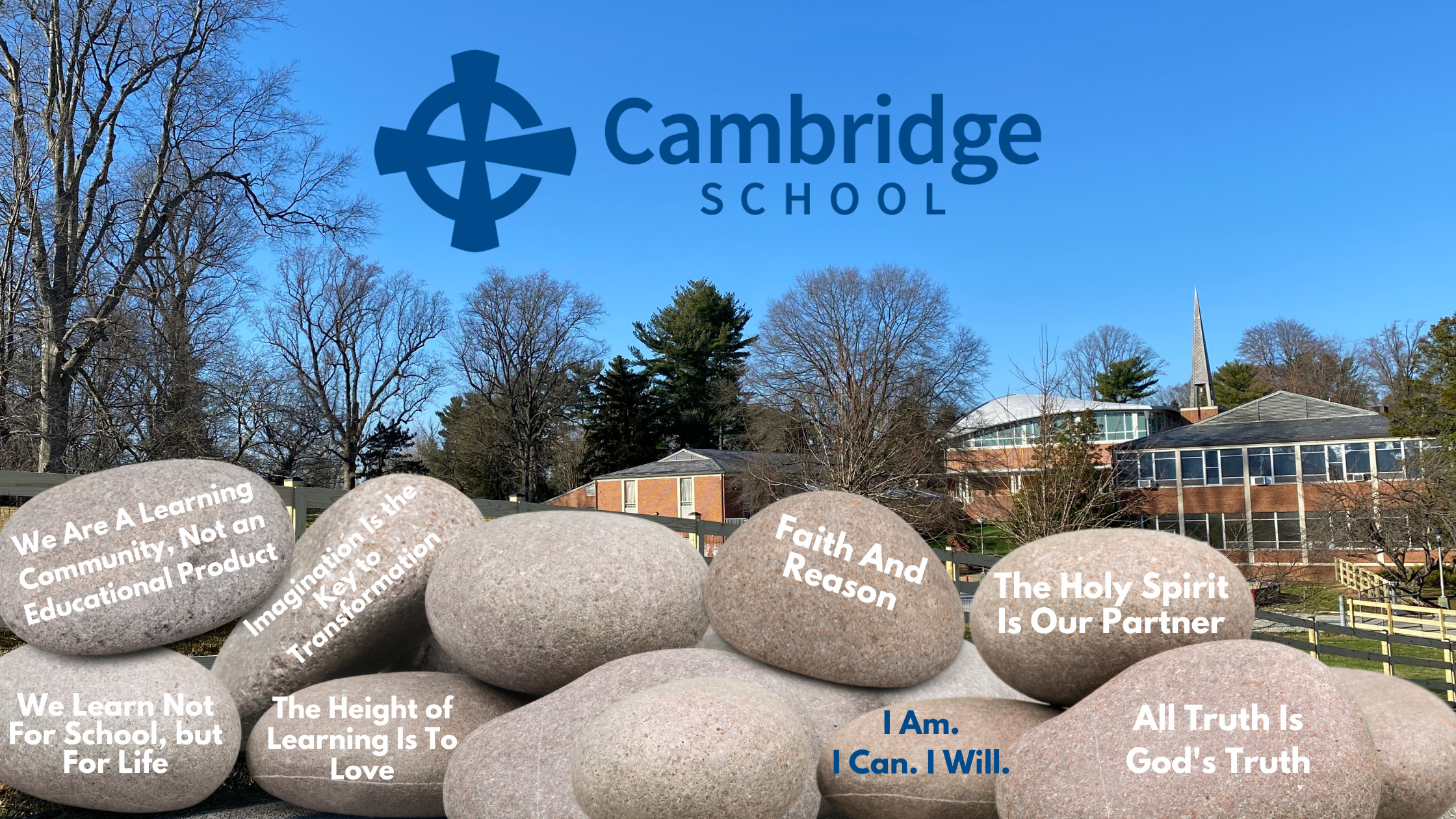
Part 8: Foundational Stones of Cambridge
This is Part 2 of a two-part series. You can read Part 1 here.
I am a child of God, I can do what He tells me, and by His grace I will.
With the knowledge that we are fully loved image-bearers of God, we have the courage to try new and challenging things, confident that our value is secure and unchanging. This understanding gives us the opportunity to invite children into identities of learning as well. As Cambridge’s science teacher for a time, I got to invite children to be scientists with me. Rather than present the idea that they would be scientists one day, it was my goal to invite them to take on the role of a scientist as a 6th, 7th, or 8th grader. “Think like a biologist”, I would tell my life science students. “Ask questions, wonder about cause and effect, don’t make assumptions.” Inviting children to take ownership of their role as scientists in the classroom, gave them the courage to tackle the doing.
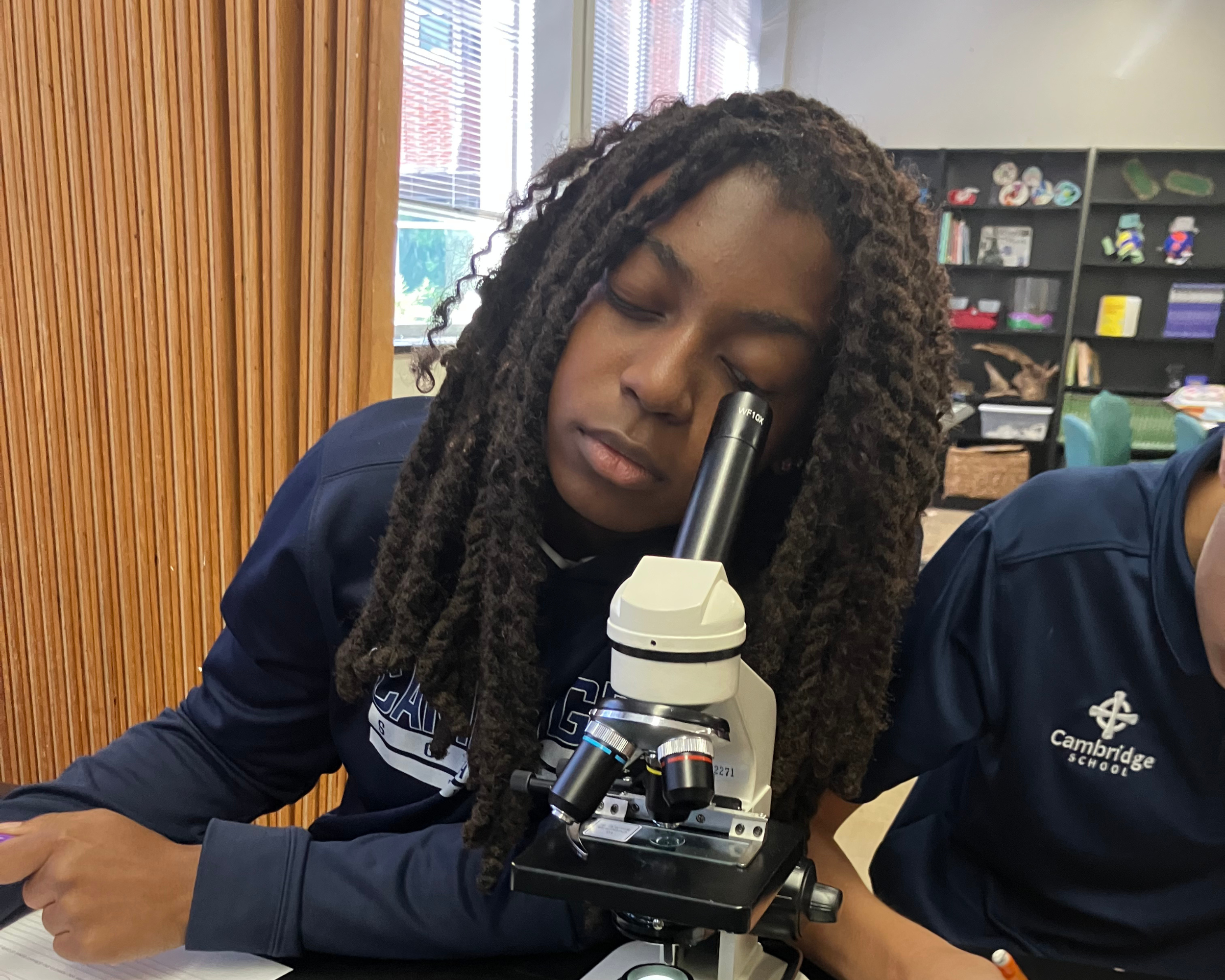
This mentality was never meant to give them the impression that positive affirmations make everything easy, but that it makes them possible. I was often known to repeat to them “Frustration is mental sweat”, just like my biology professor would say to me. Frustration will come, but viewed rightly, it is a sure sign of growth happening, just like sweat is an indication that muscles are working hard and getting stronger. Accepting an identity does not mean the responsibilities that come with it are innately easy or smooth. There will always be work and effort in living out our calling, but that work is fueled and sustained by what we believe to be true about ourselves. The name gives us courage.
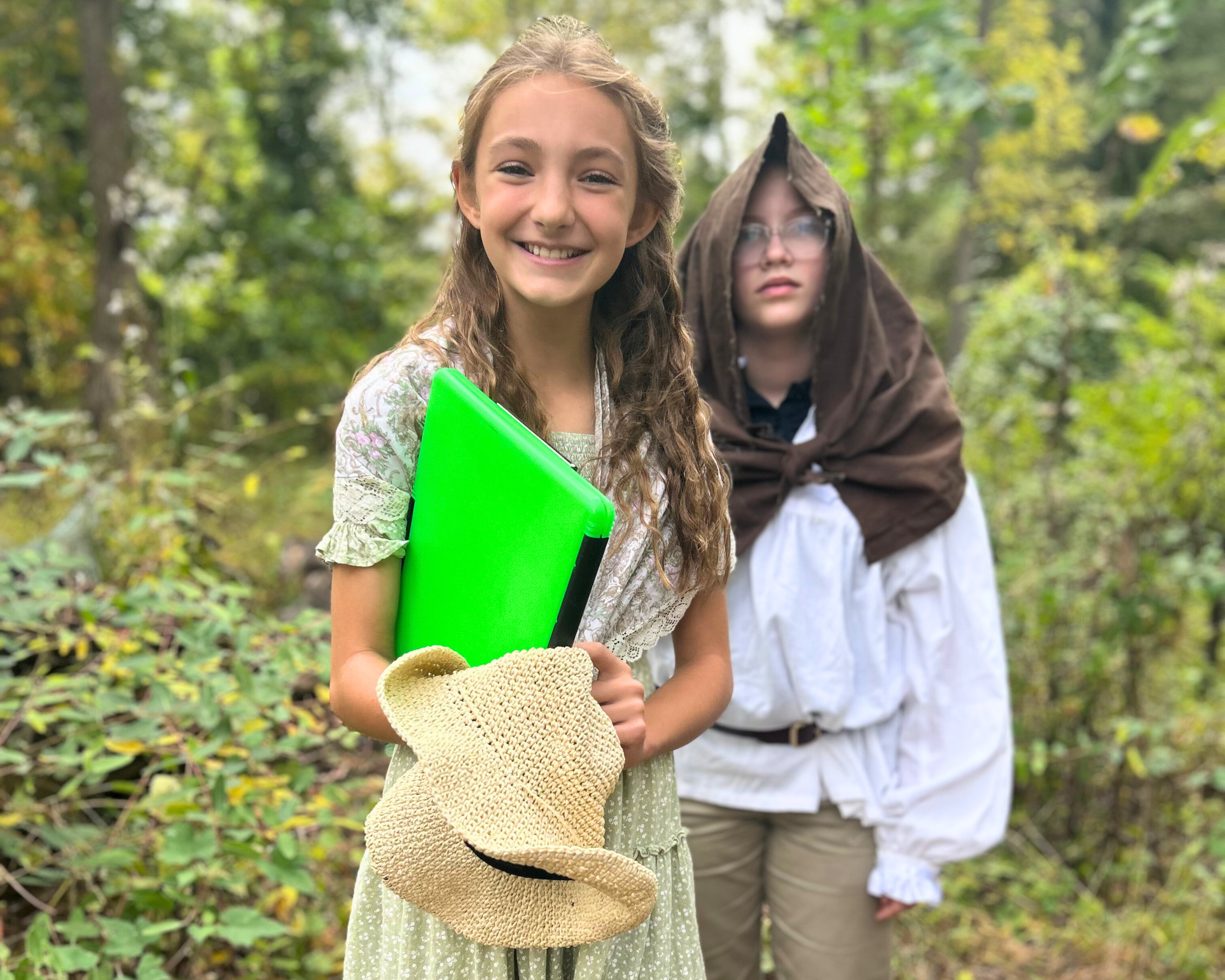
It was my goal to invite them to embrace the vulnerability of being a learner. Risking failure, exposing misconceptions, and wrestling with paradigm shifts is what science (and learning) is all about, but it can be scary! Risk without the formative learned security that they are fully loved as they are, apart from any success or failure, is a leap children were never meant to take. What better way to teach this vulnerability, than to model it? Forever learning themselves, our teachers are showing up daily with open hands, being honest with students about what we know and what we don’t, learning from what students have to share, and being willing to look at things from new perspectives.
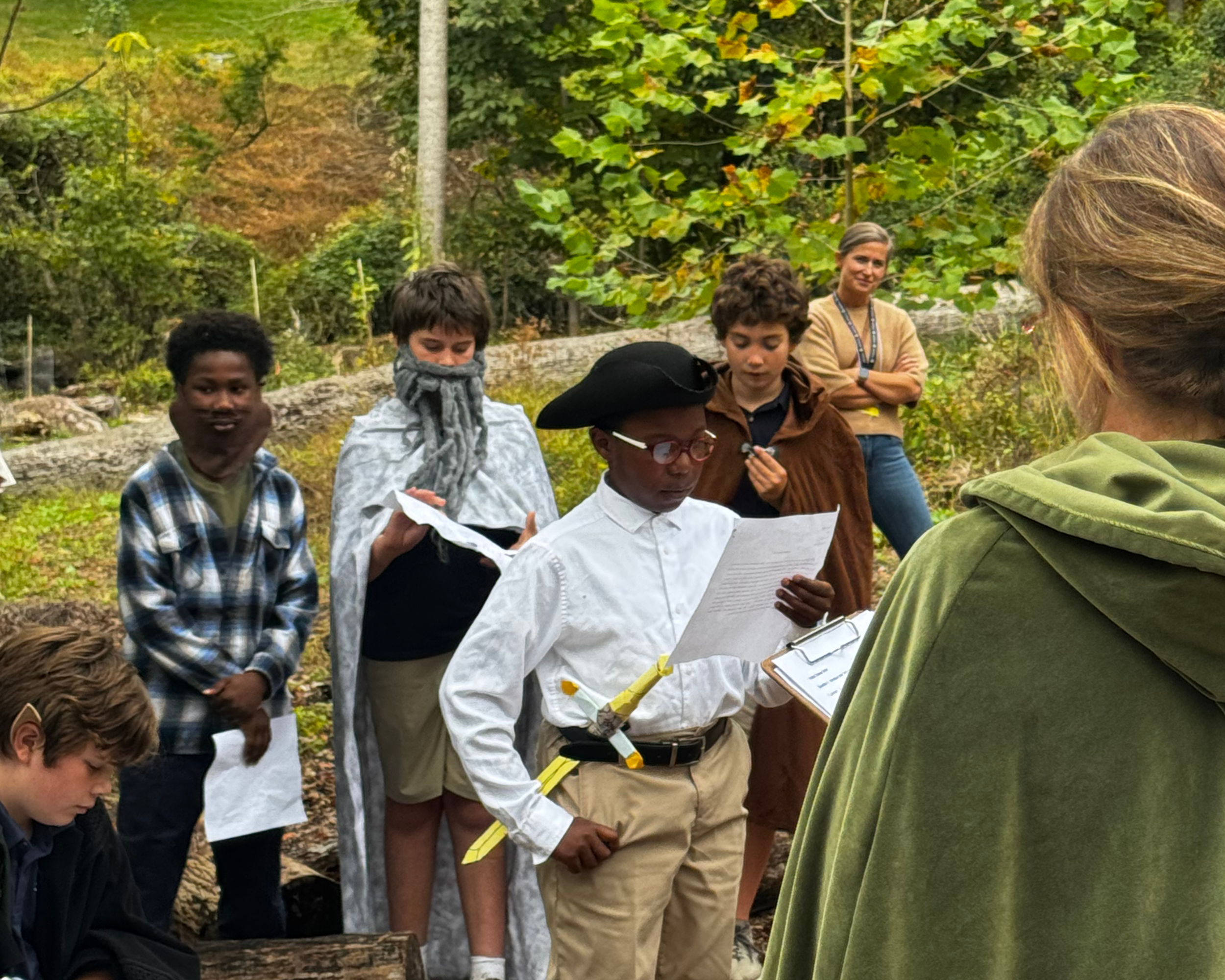
Our identity as children of God is a reflection of being and relationship, and as image bearers, students are given the freedom to express their individual giftings in the learning environment. I am a child of God, therefore I can learn without fear. Our students are scientists, historians, mathematicians, musicians, artists, and writers, but before anything else, they are sons and daughters of God. As a teacher, I call them to remember this, encourage them that they can do hard things, and I equip them to do whatever they face in the classroom. Returning to the passage quoted in part 1 of this article, it is our joy to walk alongside students in this journey, “to release [them] better still,” just like Mrs. Halmond did with Gloria. At Cambridge, each and every class is a new calling ceremony, inviting children into the very good work of learning who they are as they learn for life.