We are a Wildlife Refuge, Not a Hothouse
By: Heather Strube, Head of School
Part 9: Foundational Stones of Cambridge
“We do not seek to shelter each other and our students but to create freedom and a full expression of life within protective boundaries.”
When Cambridge's first Head of School, Michael Pollock, described the school as a wildlife refuge rather than a hothouse, he offered an image that continues to shape how we think about the education and formation of children.
A hothouse is designed to produce growth under carefully controlled conditions. Plants are protected from the elements, temperatures are regulated, and threats are kept at a distance. In such an environment, growth may seem impressive, but what happens when those plants are moved beyond the shelter of the greenhouse?
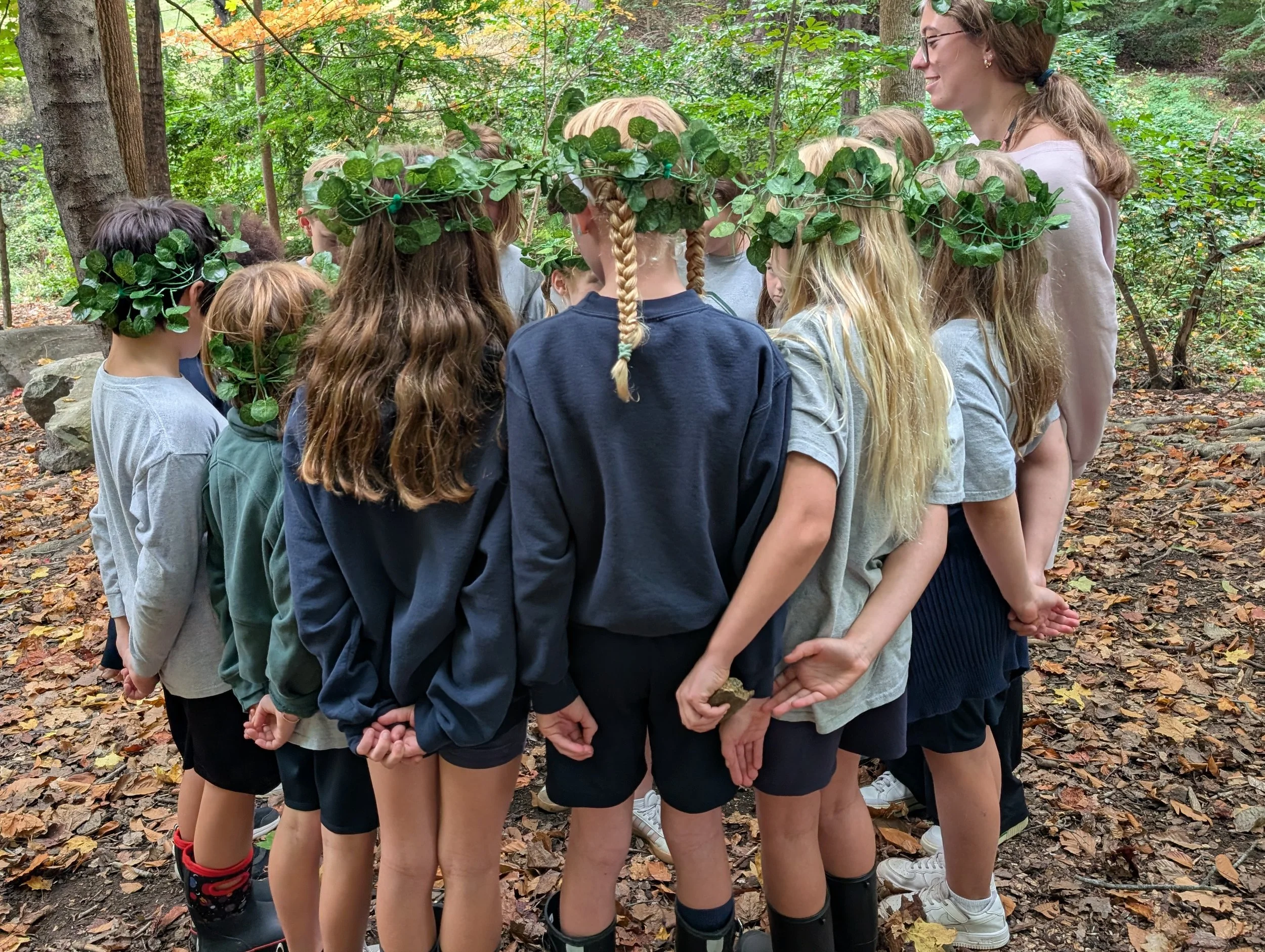
The wildlife refuge offers a different picture. A refuge provides protection, but it is not a place of isolation. Within its boundaries, children have room to explore, encounter challenges, discover their capacities, and grow in wisdom and responsibility. Protection serves life and growth rather than becoming an end in itself.
The image of the wildlife refuge reflects a central purpose of Christ-centered education: preparing children to live faithfully and fruitfully in the world God has made. As Christians, we believe that creation bears the marks of God's goodness even as it bears the effects of the Fall. The world is neither a place without danger nor a place to be regarded only with suspicion and fear. It is our Father's world, and we are preparing our children to enter it with wisdom, discernment, courage, and a growing understanding of their calling to love God and their neighbors.
At Cambridge, preparing children to engage faithfully with the world means giving them opportunities to grow in freedom and responsibility while they are still within the care of the school community. Children need the security of being known and loved, but they also need room to encounter unfamiliar ideas, ask questions, test their understanding, and discover that their first attempts are not always successful. These experiences help children develop the habits of careful thought, sound judgment, and personal responsibility that will serve them long after they leave Cambridge.
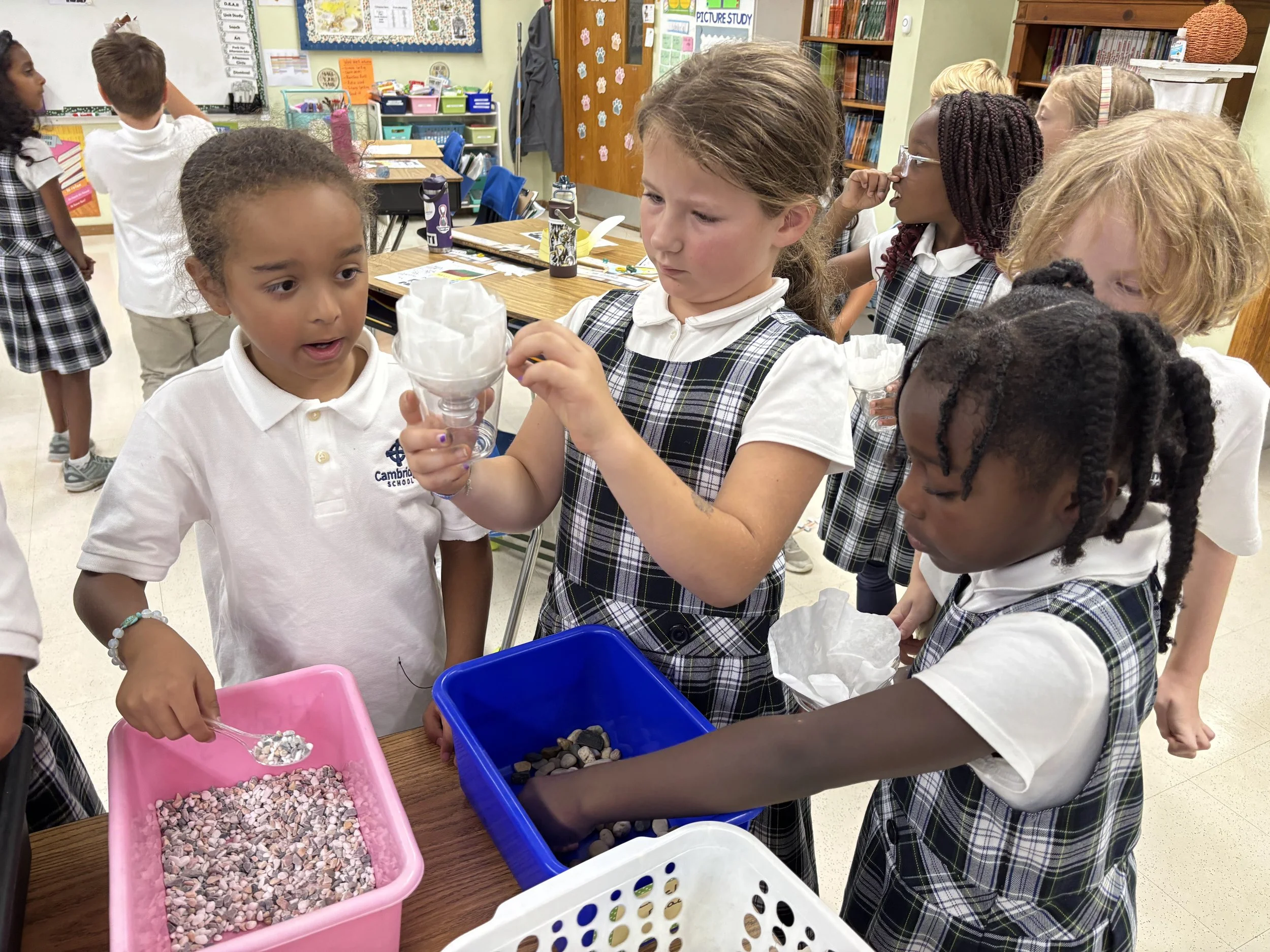
Freedom within the refuge does not mean an absence of boundaries. Rather, it depends upon thoughtful boundaries and the guidance of adults who understand that children need both support and increasing responsibility. Teachers instruct and encourage, support and challenge, guide and make room for growing independence.
Helping children develop independence and good judgment requires patience and a willingness to let them encounter difficulties. As parents and teachers, we may find it easier to remove obstacles than to accompany children as they learn to work through them. Yet learning to make wise decisions often involves uncertainty, struggle, and even failure. In a caring community, these experiences can become opportunities to develop courage, perseverance, humility, and wisdom.
Our hope is twofold: that children will flourish while they are at Cambridge, and that their years here will prepare them for lives of faithful engagement beyond it. Our refuge fulfills its purpose when those who have grown within its care are prepared to venture beyond it.
Maria Dubois, parent of three alumni, offers a personal perspective on this foundational stone in a reflection written as her daughter prepared to graduate. In our companion piece, Growing Up in the Refuge: A Parent's Reflection, she recalls Cambridge's Eighth Grade Dinner Dance and a moment that brought the meaning of the wildlife refuge into focus.
Growing Up in the Refuge: A Parent's Reflection
By: Maria Dubois, Cambridge alumni parent
There are wild ones out there. They screech, hoot, and howl. They cavort. Some are brash, some are timid. Some whisper. They watch and sense; they wonder and wait. They look, gather, and release. They study. They pounce and play. They fear, explore, and conquer. Wild ones come in many forms. Each has unique attributes. And last night, they came inside.
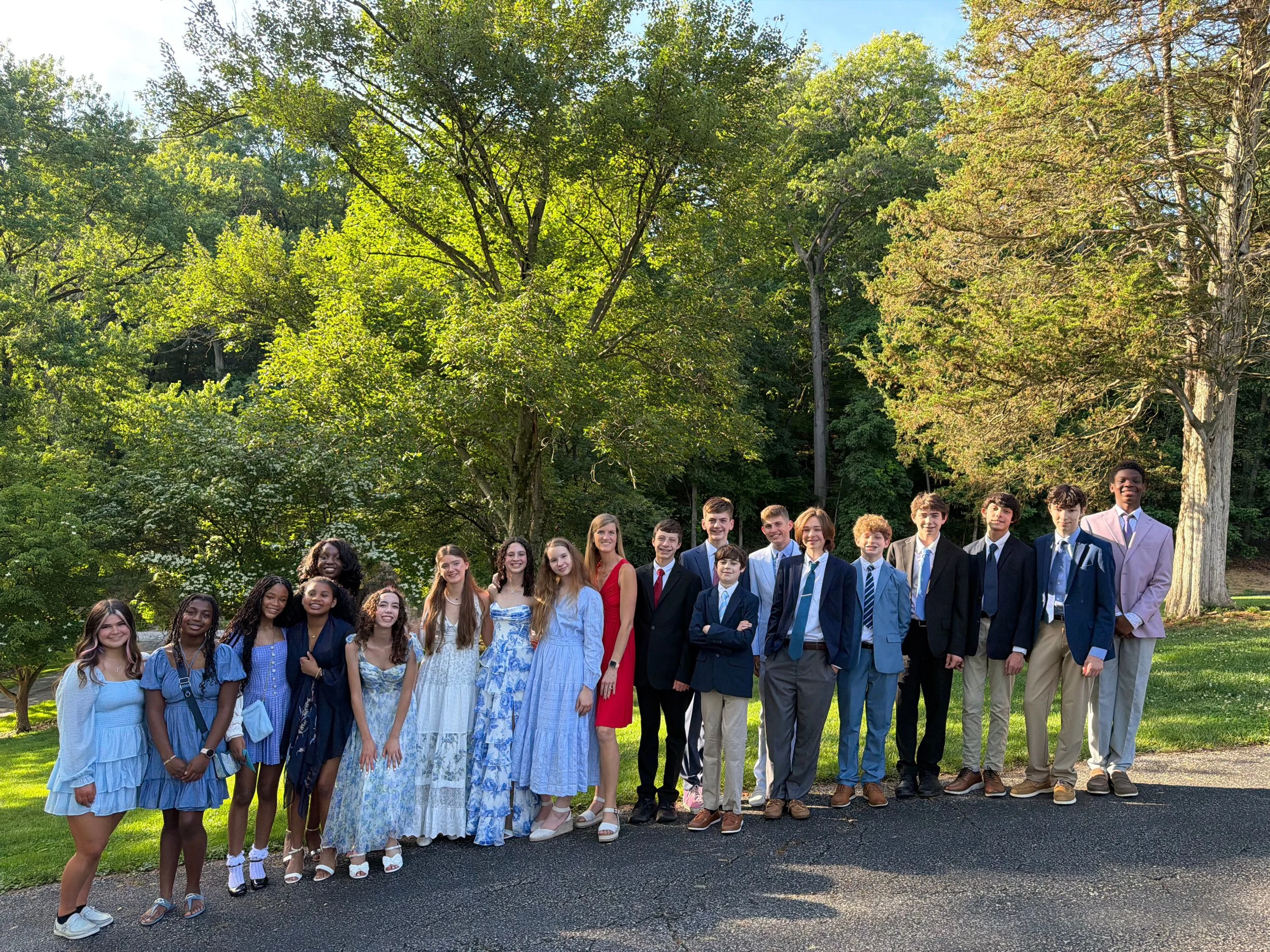
Some came dressed in fancy, frilly blue dresses with heels. Some came donned in jackets and ties. They came sauntering, bouncing, shuffling (those in high heels), even swaggering to fete among faculty and parents at the Eighth Grade Dinner Dance. There, the wild ones were honored and praised, encouraged and blessed. Each soul, cloaked with beauty and glorious individuality, came forward and received.
The blessings, the highlight of the festival, were given by the parents of the wild ones. Offered with gratitude to God for the good He had made, each of the blessings was unique, spoken to each recipient with love and tenderness, often with tears. For the elders present, the blessings served as a marker and a manner of release: movement towards first steps out of the wildlife refuge, the place each was deposited for a season to grow and explore. The wild ones are, of course, our children. The refuge, Cambridge School.
At the refuge (Cambridge), wildlife (each child) is meant to come to know gifting and limits in a place of belonging. There, the wild ones are freed to seek out and explore their habitat (curriculum), bump up against challenges, enjoy camaraderie, and recognize themselves as distinct from one another. This environment is quite unlike a hothouse, which strives to cultivate through external control, a place where produce is selected, pruned, and trimmed to uniformity. Hothouse produce is largely shaped by withdrawal from elements that may decrease viability: pests, infection, harsh elements. The goal of the refuge is not shielding in order to produce “more” and “better.” Control is not the dominating element of a wildlife refuge. Immersion in natural habitat with defined boundaries is the ideal. The wildlife refuge as a learning arena honors space, place, and pace. Time in the wildlife refuge includes instruction, trial, supportive limits, and freedom to explore and respond to the environment as a means of learning and navigating. The goal of the refuge is to provide rich interactions resulting in increased awareness of and connection to the surrounding landscape (both internal and external). The desired outcome is wildness shaped into fruitful capacity to live and thrive beyond the confines of the refuge.
Last night, I watched as my husband blessed our curly haired wild one. Her wide soulful eyes filled with tears as he read her blessing. His voice cracked with emotion as he acknowledged her unique truth. In a few days our daughter will graduate from the refuge she’s known and grown in for the last nine years. We’re blessed to know her wildness is securely established within her. With that, we confidently bless her to step out.